

Okay, so check this out—I’ve been poking at Solana wallets for years now. Wow! I started with a hardware wallet, then I switched to a browser extension for speed. My instinct said that convenience would cost me security, and for a while that was true. Initially I thought browser wallets were just “hot wallets” for tiny trades, but then I realized they can be surprisingly robust when used right, though you still need caution.
Whoa! Browser extensions feel like handing keys to a trusted barista sometimes. Seriously? They sit in your browser, sign transactions fast, and make NFT drops painless. For me, the value is the UX: quick approvals, deep DeFi integrations, and native support for Solana programs. But here’s the thing—ease breeds complacency. You click “approve” too fast and suddenly you’ve given permission to move tokens you forgot about.
Let me be blunt: some parts of this ecosystem bug me. Hmm… the permissions model is messy across apps. Apps ask for “wallet access” in different ways, and the wording can be vague. On one hand developers want to reduce friction so people can mint NFTs with one tap; on the other hand users should always verify what they’re approving. Initially I trusted popular apps, but then I saw approvals that allowed unlimited token transfers—so I started to audit approvals more often.
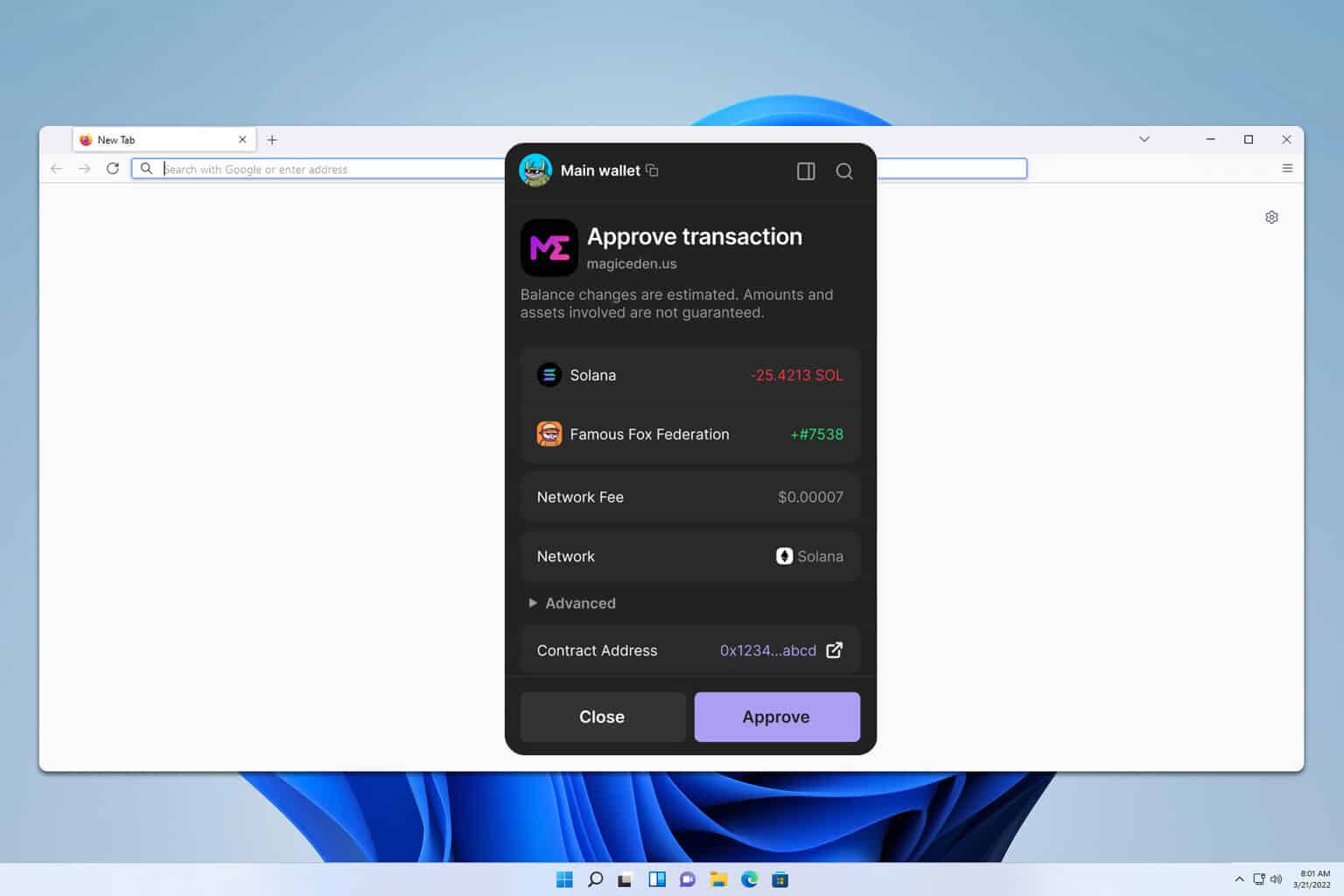
How a Solana browser extension actually helps
I use a browser extension most days when I’m moving SOL, swapping tokens, or minting NFTs. It’s fast. It ties into the dApps directly and can inject accounts into web pages (in a safe way if the extension is built right). My workflow: open extension, check the network, read the transaction details, approve if everything matches. I’m biased, but for daily DeFi play and NFT drops this is the sweet spot—less friction than mobile wallets, more immediate than re-connecting hardware wallets for every tiny action.
Here’s the practical side: browser extensions reduce context switching. You don’t have to copy/paste addresses or scan QR codes. That matters when gas is cheap and first-come-first-serve mints sell out in seconds. But you still need tools: use the extension’s built-in address book, label accounts, and create separate accounts for different activities. This reduces risk if one account gets compromised. Also, back up your seed phrase offline—air-gapped if you can.
Okay, so check this out—if you’re exploring, try a trusted extension like phantom wallet as a starting point. It’s not a silver bullet. It has a clean UI and broad dApp support, and that matters when you jump between markets and NFT sites. But remember: popularity is not a warranty. Popular targets get more phishing attempts and cloned sites.
Honestly, phishing is the number one thing I’ve seen go wrong. People paste seed phrases into “support chat” or install clones that mimic the real extension. Something felt off about those emails and messages at first, but then friends fell for them. So here’s a rule I live by: never paste your seed phrase into a website. Never. Ever. If a site asks for it, it’s hostile. Period.
Working through trade-offs now—short-term convenience versus long-term custody. On one side you have browser extensions that make Web3 feel like Web2. On the other side there’s the temptation to skip security. I tried using browser-only accounts for big DEX trades once and that was a mistake; I moved significant funds to a hardware wallet after that. Actually, wait—let me rephrase that: I still use the extension daily for small moves, and keep the big stacks in cold storage. That combination works for me.
Software design matters. Extensions that require minimal permissions and ask per-transaction confirmations are inherently safer. Those that automatically approve contracts worry me. Also, read contract metadata if you can—it’s not always human-friendly, but it sometimes tells you “spender” or “amount” before you sign. On-chain explorers for Solana can help verify program IDs; it’s a bit nerdy, but very useful when you’re dealing with valuable NFTs or liquidity positions.
One practical tip: use separate browser profiles for different wallet tasks. Create one profile for social media and browsing, another for DeFi and your extension, and maybe a third for high-risk airdrops. This segmentation reduces cross-site tracking and lowers the chance that a compromised site gets access to your wallet. It’s boring, but it helps.
Another thing—hardware wallet support in browser extensions has improved. Integrating Ledger with the extension gives you the best of both worlds: the UX of a browser wallet, plus the cryptographic protection of a hardware device. It requires more steps, yes, but if you’re managing substantial assets it’s worth the extra clicks. If you’re not moving big sums, this might feel excessive, and I get that.
On a slightly annoying note, Solana’s rapid development means wallet UX changes fast. New token standards and program upgrades can break older integrations. Sometimes I open a dApp and the extension prompts an update or shows a warning. That part bugs me—updates are necessary, but they’re also opportunities for social engineering, so check release notes and download only from verified sources.
Common questions I get
Is a browser wallet safe enough for NFTs?
Yes, for everyday NFT activity it’s fine, especially when paired with best practices: separate accounts, careful approval reviews, and keeping large holdings offline. If you’re doing a high-value mint or sale, consider a hardware-backed workflow.
What about phishing and clone extensions?
Those are real threats. Verify extension publishers, check store reviews, and use bookmarks to reach dApps rather than clicking links in DMs. I’m not 100% immune to mistakes—I’ve clicked a sketchy link before—but each slip taught me a new habit.
Wrapping back to where I started—browser extensions are powerful and practical. They make Solana accessible and fun. They also shortcut a lot of the friction that keeps the casual user out, which is great and dangerous at the same time. So yeah, use them, but treat them like a tool: respect them, harden your setup, and don’t put everything in one place. Somethin’ to live by, I guess.